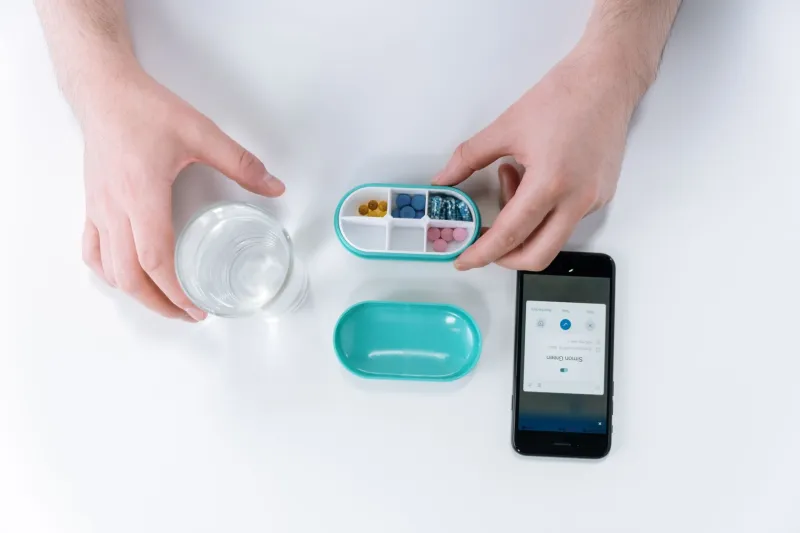
When Insulin Rides the Truck: The Hidden Journey of Temperature-Sensitive Medications in American Mail
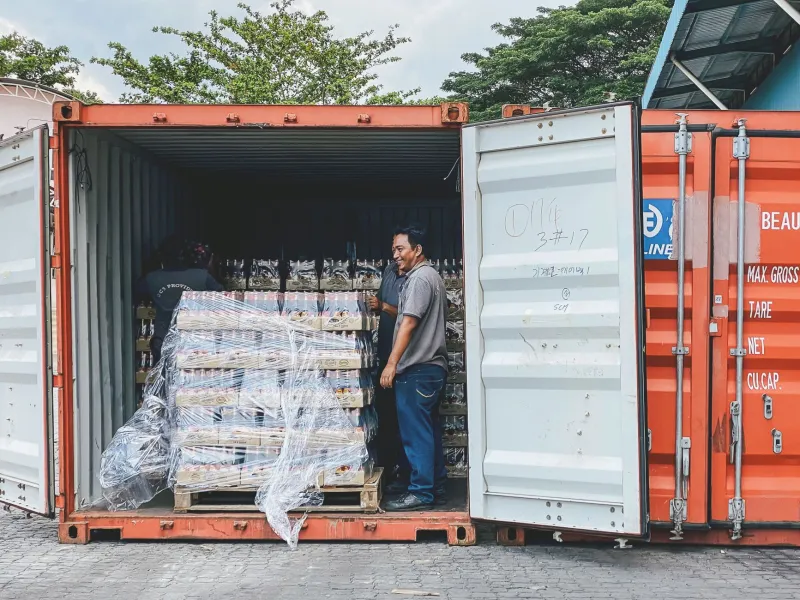
Every summer, delivery trucks parked in Texas driveways become silent ovens. Interior temperatures can exceed 140°F — well past the threshold where insulin, certain biologic drugs, and refrigerated antibiotics begin to degrade. Yet millions of Americans now receive these medications by mail, trusting that somewhere between the distribution center and their mailbox, someone kept their medicine cold.
That trust is not always earned.
Why Temperature Matters More Than Most Patients Realize
Pharmaceutical potency is not a binary property. A vial of insulin does not spoil the instant it warms; it loses effectiveness gradually as heat breaks down its protein structure. The same applies to certain suspensions, injectables, and humidity-sensitive tablets. A product that looks perfectly normal can deliver a fraction of its labeled dose.
The FDA and manufacturers publish storage ranges — typically 36°F to 46°F for refrigerated items, and controlled room temperature defined as roughly 68°F to 77°F with brief excursions permitted. But those ranges assume the pharmacy is controlling the environment. Once a package enters the carrier network, the manufacturer's guidance is only as good as the packaging around it.
Where the Chain Actually Breaks
Cold chain failures rarely happen on the highway. They happen in the gaps:
- The last mile. A parcel left on a sun-exposed porch for six hours in July can absorb more thermal damage than the entire preceding journey.
- Sortation facilities. Non-temperature-controlled hubs in Memphis, Louisville, or regional distribution points can hold packages overnight in unconditioned warehouses.
- Winter inversions. Freezing is as destructive as heat. Insulin that freezes and thaws may appear intact while its molecular structure has been permanently altered.
- The return trip. Packages that can't be delivered and circle back through the network may spend days in conditions no pharmacist would approve.
What Reputable Mail-Order Pharmacies Actually Do
Legitimate operations that ship temperature-sensitive products invest in validated packaging: insulated mailers, phase-change packs engineered to hold specific temperature bands for 48 to 72 hours, and temperature indicators that visibly change color if an excursion occurs.
Ask any online pharmacy these questions before ordering a heat-sensitive medication:
- Is the packaging validated for the full transit duration, including delays?
- Does the shipment include a temperature indicator or data logger?
- Are there seasonal shipping restrictions — for example, holding orders during extreme heat advisories?
- What is the replacement policy if a product arrives outside its storage range?
A pharmacy that cannot answer these questions clearly is telling you something.
Red Flags on Your Doorstep
Inspect every temperature-sensitive delivery before accepting it as usable:
- A triggered heat or freeze indicator on the packaging
- Condensation inside the box or on the product
- Insulin that appears frosted, clumped, or discolored
- Crushed ice packs or gel packs that arrived fully melted and warm to the touch
- Packaging that sat outside longer than the validated window
If you observe any of these, contact the pharmacy before using the product — and photograph the packaging. Documented excursions are typically grounds for replacement.
Practical Steps for Patients
Schedule deliveries so someone is home to bring packages inside promptly. In summer, choose morning delivery windows when possible. Consider a cooler with an ice pack placed outside your door for couriers in extreme weather. And when traveling to pick up a refrigerated medication yourself, bring an insulated bag — the drive home counts as transit, too.
Mail-order pharmacy has made treatment more accessible for rural patients, homebound seniors, and anyone who values privacy. The convenience is real. But the cold chain is a shared responsibility between the shipper and the recipient, and informed patients close the gap that logistics alone cannot.