Loyalty Points, Hidden Costs: The Pharmacy Rewards Illusion That's Quietly Draining Your Wallet
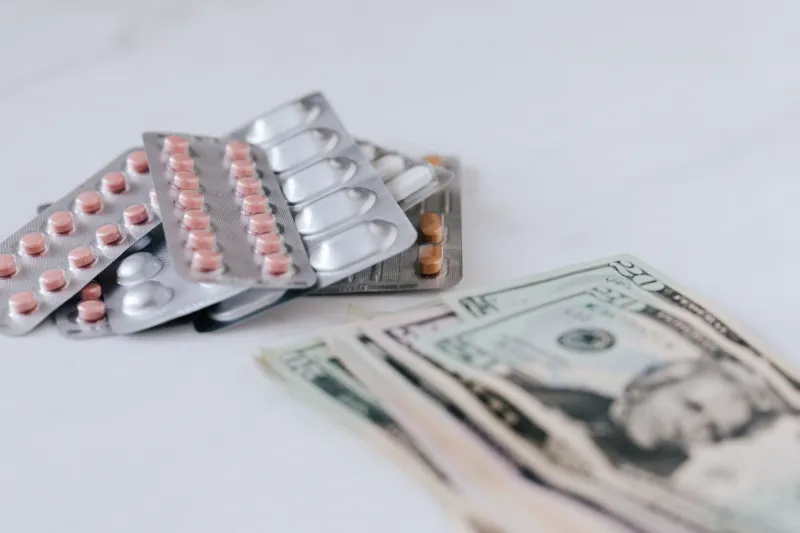
There is something deeply satisfying about watching a points balance climb. Whether it appears on a grocery app, a hotel booking platform, or a pharmacy rewards card, the accumulation of points triggers a genuine psychological response — a sense of progress, of being valued, of getting something for nothing. Major pharmacy chains have studied this response carefully. And they have built their entire customer retention strategies around it.
But what if the rewards were never the point? What if the points program itself was the mechanism by which you were kept paying more than necessary, month after month, year after year?
How Pharmacy Loyalty Programs Are Designed to Work — For the Chain
When CVS, Walgreens, or Rite Aid enrolls you in a rewards program, they are not offering charity. They are making an investment. The data they collect from your purchasing behavior — which medications you take, how frequently you refill, which over-the-counter products you buy alongside prescriptions — is extraordinarily valuable for targeted marketing, inventory planning, and pharmaceutical partnerships.
More importantly, the rewards structure creates what behavioral economists call a switching cost. Even if a competitor offers a lower price on your medication, leaving means abandoning your accumulated points balance. You have, in effect, pre-paid for loyalty without realizing it.
A 2022 Consumer Reports analysis found that chain pharmacy prices on common generic medications frequently ran 20 to 80 percent higher than prices available through discount platforms and online pharmacies. Yet millions of Americans continue to fill prescriptions at these chains — in part because they do not want to "lose" their points.
The True Cost of a Loyalty Point
Let us examine what a pharmacy loyalty point is actually worth. Most major chain programs award somewhere between one and two cents per dollar spent on eligible purchases. Some offer periodic bonus multipliers or discount coupons. On the surface, a two percent return sounds reasonable.
However, the calculation changes dramatically when you account for the price premium being paid in the first place.
Consider a common scenario: a patient filling a 30-day supply of a popular generic blood pressure medication. At a major chain pharmacy, the out-of-pocket price without insurance might range from $18 to $35 depending on location and negotiated rates. The same medication, ordered through a reputable online pharmacy, may cost between $8 and $14 for the same quantity.
At the higher chain price of $35, a two percent rewards return yields approximately 70 cents in points. The online alternative saves $21 outright. The "reward" covers less than four percent of the potential savings foregone.
Multiply this across a household managing two or three ongoing prescriptions, and the annual discrepancy becomes substantial. Independent estimates suggest the average American family filling routine prescriptions at a major chain pharmacy may be overpaying by $300 to $700 annually compared to no-frills online alternatives — even after accounting for any points redeemed.
A Practical Self-Assessment: Is Your Loyalty Costing You?
Determining whether your current pharmacy arrangement is financially sound requires only a few minutes and honest accounting. Work through the following framework:
Step 1: List your recurring prescriptions. Write down every medication you fill on a regular basis — monthly, quarterly, or otherwise. Include both prescription and any regularly purchased over-the-counter items you consistently buy at the pharmacy.
Step 2: Record what you currently pay. Note the out-of-pocket cost (after insurance, if applicable) for each item at your current pharmacy. Do not estimate — check your receipts or account history.
Step 3: Compare against online pricing. Using a licensed online pharmacy or a reputable price comparison tool, find the equivalent price for each item. GoodRx, NeedyMeds, and direct pharmacy websites can provide baseline comparisons. For prescription medications, ensure you are comparing the same dosage, quantity, and formulation.
Step 4: Calculate your annual overpayment. Subtract the online price from your current pharmacy price for each item. Multiply the difference by how many times you fill each prescription annually. Sum all figures.
Step 5: Subtract your actual rewards value. Log into your pharmacy rewards account and note your average annual redemption — not points earned, but points actually used. Convert to dollar value based on the program's stated redemption rate.
Step 6: Compare the two figures. If your annual overpayment significantly exceeds your annual rewards redemption value, your loyalty is costing you money. For most households managing more than one ongoing prescription, the gap is not trivial.
The Psychological Architecture of Staying Put
Knowing you are overpaying is not always sufficient motivation to change behavior. Pharmacy chains understand this well. Beyond the points balance, they cultivate loyalty through convenience (familiar locations, drive-through windows), perceived trust (staff recognition, established relationships), and the inertia of habit.
There is also the matter of sunk cost bias — the irrational tendency to continue a behavior because of prior investment. Patients who have spent years accumulating points, or who have spent time learning a particular pharmacy's app or interface, often feel that switching represents a loss rather than a gain.
Acknowledging these biases is the first step toward making a rational decision. The question is not whether switching feels comfortable — it is whether the financial and health outcomes justify the brief inconvenience of change.
What a No-Frills Online Pharmacy Actually Offers
The term "no-frills" should not imply inferior care or compromised safety. Licensed online pharmacies operating in the United States are subject to the same federal and state regulations governing all dispensing pharmacies. They must employ licensed pharmacists, maintain proper storage conditions, and comply with prescription verification requirements.
What they do not maintain are expensive retail storefronts, extensive loyalty program infrastructure, or the marketing overhead required to sustain a national brand presence. Those savings are passed directly to the consumer in the form of lower medication prices.
For patients managing chronic conditions — hypertension, diabetes, high cholesterol, erectile dysfunction, thyroid disorders — the cumulative savings from switching to a reputable online pharmacy can represent a meaningful portion of annual household health expenditure.
At MedIQ Shop, medications are dispensed through licensed channels and delivered discreetly to your door. There are no points to accumulate, no expiration dates on rewards balances, and no inflated baseline prices designed to make a two percent return feel meaningful. What there is, instead, is straightforward pricing on medications you need — without the theater of a rewards program engineered to obscure what you are actually paying.
Making the Switch Without Losing Ground
Transitioning away from a chain pharmacy loyalty program is logistically straightforward. Your prescriptions can be transferred to a new pharmacy with a simple request — no physician involvement is required for most routine medications. Your insurance information transfers with you. Any remaining points balance can be redeemed before you close the account.
The more significant shift is psychological: releasing the sense that accumulated points represent real value, and recognizing that the most meaningful reward a pharmacy can offer is a lower price from the outset.
Loyalty, in the context of personal healthcare, is best directed toward your own financial wellbeing — not toward a retail program designed to keep you paying more than necessary. The numbers, when examined honestly, tend to make the decision straightforward.