Peak Season, Peak Prices: How Online Pharmacies Are Quietly Undercutting Allergy Medication Markups
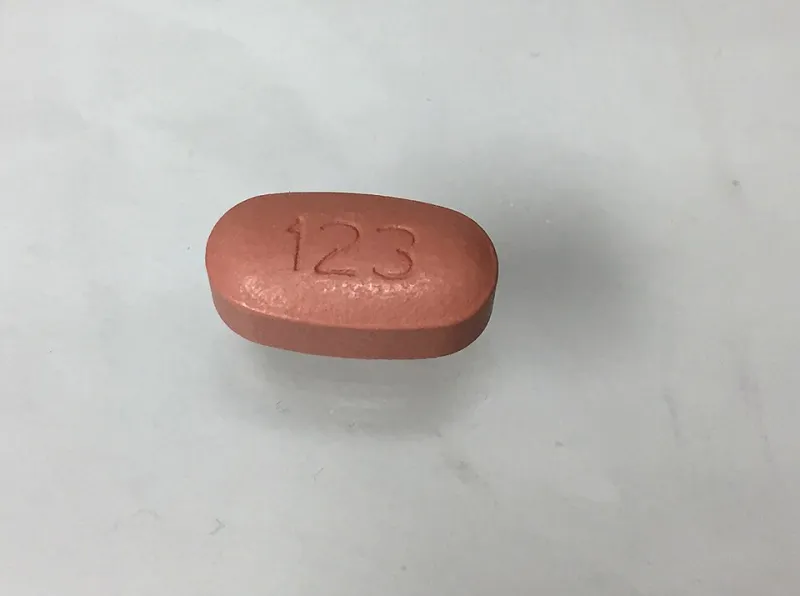
Photo: NIAID, Public domain, via Wikimedia Commons
For most Americans, allergy season arrives with a familiar double burden: the physical misery of congestion, sneezing, and itchy eyes, followed by the financial sting of paying elevated prices for medications that should, by any reasonable measure, cost far less. What many consumers do not realize is that the markup they experience at their neighborhood pharmacy during peak pollen months is not accidental. It is, in many respects, a calculated feature of how brick-and-mortar retail pharmacy operates — one that online pharmacies are uniquely positioned to disrupt.
How Traditional Pharmacies Price Seasonal Medications
The pricing model at large chain pharmacies is influenced by a web of factors that have little to do with the actual cost of manufacturing a 30-count box of cetirizine or a 12-hour pseudoephedrine tablet. Retail pharmacies operate with significant overhead: storefront leases in high-traffic locations, staffing requirements, inventory management systems, and the logistical complexity of stocking thousands of SKUs across hundreds of locations simultaneously.
During peak demand periods — primarily February through June, when tree and grass pollen counts surge across most of the continental United States — these chains face a predictable inventory crunch. Suppliers, aware of demand spikes, adjust their wholesale pricing accordingly. Those increases are passed downstream to the consumer, often with additional margin layered on top. A medication that retails for $14.99 in January may quietly climb to $18.99 or more by mid-April, with minimal transparency about why.
Additionally, the placement of seasonal medications at the front of the store, in high-visibility endcap displays, is a merchandising strategy designed to capture impulse purchases from symptomatic shoppers who are unlikely to comparison-shop while managing active allergy symptoms. Convenience, in this context, carries a measurable price premium.
The Online Pharmacy Advantage: Structure Over Seasonality
Online pharmacies, including discreet delivery platforms like MedIQ Shop, operate with a fundamentally different cost architecture. Without the overhead of physical retail locations, staffing large consumer-facing floors, or paying premium rents in suburban strip malls, digital dispensaries can absorb supply-side price fluctuations more effectively and pass those savings directly to the consumer.
Perhaps more significantly, online pharmacies purchase inventory through direct supply chain relationships that bypass some of the intermediary layers traditional retailers must navigate. By forecasting seasonal demand and purchasing in larger volume ahead of peak periods, these platforms can lock in lower per-unit costs before the market tightens. The result is often a pricing structure that remains relatively stable year-round — a stark contrast to the seasonal surges consumers experience at the retail level.
For medications like loratadine, fexofenadine, and cetirizine — all available over the counter and widely used for seasonal allergic rhinitis — the price differential between online and in-store purchasing can range from 20 to 45 percent depending on the time of year and the specific retailer. Generic formulations, which are therapeutically equivalent to their brand-name counterparts, often represent even greater savings when sourced through online channels.
What the Data Suggests About Seasonal Medication Pricing
Analyses of retail pharmacy pricing data have consistently found that over-the-counter allergy medications experience meaningful price increases during high-pollen months. Nasal corticosteroid sprays, combination antihistamine-decongestant products, and eye drops formulated for allergic conjunctivitis all follow similar patterns. These are not medications whose manufacturing costs fluctuate with the seasons — the raw material inputs remain largely constant. The price movement is a function of demand elasticity and retailer margin strategy, not production economics.
Consumers who purchase these products reactively — that is, after symptoms have already begun — are in the weakest possible negotiating position. They need relief immediately, they are unlikely to spend time researching alternatives, and they are often purchasing at precisely the moment when retail prices are at their highest.
A Practical Stocking Strategy for Allergy Season
The most effective way to avoid paying peak-season premiums is to purchase ahead of demand. For most of the United States, this means placing orders for common allergy medications in late January or early February, before pollen counts begin their seasonal ascent and before retail chains begin their seasonal price adjustments.
The following framework offers a practical approach:
Identify your typical allergy season. In the Southeast and Mid-Atlantic, tree pollen begins circulating as early as late February. In the Midwest and Northeast, peak season typically runs from April through June. In parts of the Southwest, fall ragweed season can extend allergy symptoms well into October. Knowing your regional patterns allows for more precise purchasing timing.
Audit last year's usage. Review what medications you consumed during the previous allergy season — both in type and quantity. If you used two 45-count bottles of a 24-hour antihistamine and one nasal spray, that is your baseline. Purchase at least that volume before the season begins, ideally through an online platform where you can compare unit pricing across pack sizes.
Prioritize generics through online channels. Generic cetirizine, loratadine, and fexofenadine are regulated to the same standards as brand-name Zyrtec, Claritin, and Allegra, respectively. When purchased online in larger quantities — 90-count or 365-count packages — the per-dose cost can fall dramatically compared to a 30-count retail purchase made mid-season.
Consider combination products carefully. Products that pair an antihistamine with a decongestant (such as pseudoephedrine) are useful for acute congestion but are not always necessary for daily allergy management. Purchasing these separately and combining as needed often yields better value than relying on higher-priced combination SKUs.
Account for prescription allergy treatments. If your allergy management includes a prescription nasal corticosteroid or a leukotriene receptor antagonist such as montelukast, online pharmacy platforms can facilitate prescription fulfillment with discreet delivery — often at prices that undercut both retail pharmacies and even some insurance copay structures, particularly for patients with high-deductible plans.
Transparency as a Consumer Right
The fundamental issue underlying seasonal medication pricing is one of transparency. Most consumers do not know that the price of their allergy medication fluctuates with the calendar, nor do they have easy access to year-round pricing data that would allow them to make informed purchasing decisions. Traditional retail pharmacy structures are not designed to surface this information.
Online pharmacies, by contrast, offer persistent pricing visibility. A consumer can compare the cost of a 90-count pack of generic loratadine in November versus April and make a rational decision about when and how much to purchase. That kind of pricing transparency — combined with the convenience of home delivery and the discretion that many patients value — represents a meaningful shift in how Americans can manage routine health expenditures.
At MedIQ Shop, our commitment to discreet, reliable medication delivery extends to helping patients understand the full value proposition of online pharmacy access. Seasonal medications should not become a financial burden simply because the calendar has changed. With the right information and a modest degree of advance planning, they do not have to.
